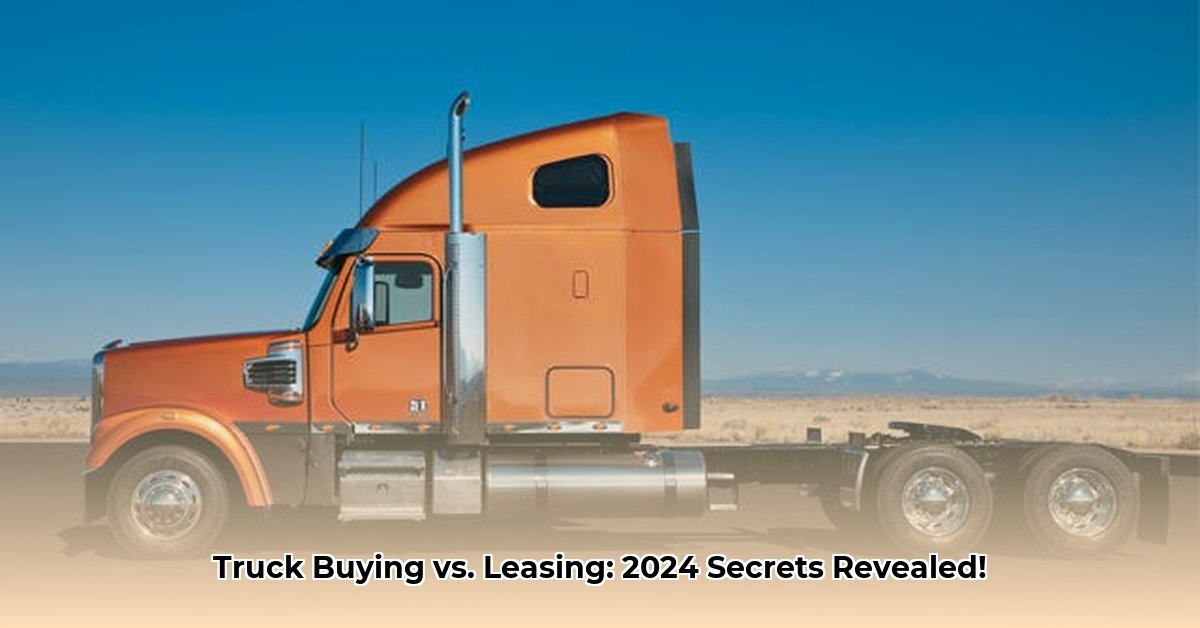
Understanding Tractor-Trailer Truck Prices in 2024
The cost of a new tractor-trailer truck varies significantly, ranging from approximately $75,000 to over $200,000. This wide price range reflects differences in brand, features (like engine type and sleeper configuration), and the truck's condition (new versus used). A basic model will naturally cost less than a fully-equipped, high-end version. Just as with cars, the age of the vehicle is a major price factor; newer trucks are more expensive but generally offer lower maintenance costs in the short term. Used trucks present considerable savings upfront, but they may require more frequent and potentially costly repairs as they age. For financing options, check out tractor loan options.
Did you know? The average price of a new Class 8 tractor can fluctuate due to factors including material costs and manufacturing output. Keeping a close eye on industry news will give you a better sense of current market trends.
Leasing vs. Buying: A Cost-Benefit Analysis
Choosing between leasing and buying a semi-truck is a critical decision with significant long-term financial implications. Both options have distinct advantages and disadvantages that must be carefully considered.
Leasing a Semi-Truck
Pros:
- Lower Initial Investment: Leasing requires less upfront capital, freeing up resources for other essential business needs.
- Predictable Monthly Payments: Consistent monthly lease payments simplify budgeting and cash flow management.
- Regular Upgrades: Leasing often allows for more frequent upgrades to newer models with advanced technology and enhanced safety features, maintaining competitiveness.
Cons:
- No Ownership: At lease end, the truck must be returned to the lessor. This means continuous lease agreements are needed to maintain the use of a truck.
- Potentially Higher Total Cost: Depending on lease terms and truck depreciation, the total cost of leasing over several years might exceed the long-term cost of purchasing.
Buying a Semi-Truck
Pros:
- Ownership: Owning the truck provides long-term security and control over the asset.
- Potential for Appreciation (or Depreciation): The truck's value can appreciate or depreciate depending on factors like market conditions and the truck's condition.
- Equity Building: Repaying the loan builds equity in the truck, adding to a company's overall financial assets.
Cons:
- High Upfront Cost: Buying a truck requires a substantial initial investment. This may tie up a considerable amount of working capital.
- Increased Maintenance Responsibility: The buyer assumes full responsibility for all repairs and maintenance costs.
- Depreciation: The truck's value generally declines over time.
Did you know? A recent study shows that leasing can be more cost-effective in the short term for small businesses, while buying might be preferable for larger fleets seeking long-term value.
Ongoing Costs Beyond the Purchase Price
Beyond the initial acquisition or lease cost, several ongoing expenses need careful consideration:
- Fuel: Fuel costs are a major operational expense. Choosing a fuel-efficient truck and maintaining it properly can significantly reduce these costs.
- Maintenance: Regular maintenance and unscheduled repairs are inevitable. Preventative maintenance is crucial for minimizing breakdowns and extending the truck's lifespan.
- Insurance: Insurance premiums vary with factors like driving record and the vehicle’s estimated value. Comparing quotes across different providers is vital.
- Taxes and Fees: Always factor all applicable taxes and fees into your budget; these costs can vary considerably by location.
Tailoring Your Decision: Considerations for Different Business Types
The optimal approach to acquiring a semi-truck depends heavily on the business type:
- Small Businesses: Leasing a day cab often offers a manageable starting point. Focusing on cost control and exploring funding sources like SBA loans is crucial for early growth.
- Large Fleets: Leasing can streamline fleet modernization and simplify maintenance management, while offering opportunities for economies of scale.
- Owner-Operators: Rigorous financial planning is paramount. Meticulous expense tracking and a deep understanding of operational costs are key to profitability.
Mitigating Risks in the Trucking Industry
The trucking industry presents inherent risks. Implementing effective mitigation strategies is essential:
| Risk Factor | Mitigation Strategy |
|---|---|
| High Initial Truck Cost | Explore leasing, secure favorable financing, consider purchasing a used truck |
| Fuel Price Volatility | Monitor fuel prices, adopt fuel-efficient driving techniques, explore alternative fuels |
| Unexpected Maintenance | Implement a proactive preventative maintenance program, establish strong relationships with reliable mechanics |
| Driver Shortages | Offer competitive compensation and benefits; foster a positive and supportive work environment |
| Regulatory Changes | Stay informed about industry regulations and strive to maintain full compliance |
This guide provides a framework for making informed decisions. Thorough due diligence, careful financial planning, and professional advice tailored to your specific situation are crucial for success in the trucking industry. Consult with financial professionals and industry experts to personalize your strategy.